In one of UNRWA’s clinics in Gaza, a nurse apologizes to a child suffering from asthma because an inhaler is unavailable. Calmly, he explains that supplies are scarce, staff numbers have been reduced, and the pressure far exceeds capacity. After a brief pause, he adds in a low voice: “Even we no longer know whether we will receive our full salaries this month.” This sentence repeated in different forms across Gaza and Lebanon captures the core of a crisis that is no longer hidden: a crisis in which the tragedy of refugeedom is managed through austerity, and workers are expected to fill political and financial gaps they never created.
Since late 2025, as several donor states have reduced, suspended, or conditioned their contributions often tied to political considerations that are not always publicly declared UNRWA’s management has begun implementing what it describes as “emergency measures.” In practice, however, what is framed as crisis management has become a systematic transfer of costs onto workers: wage and working hour cuts, hiring freezes, and threats of contract termination. No serious discussion has been opened on fair and sustainable funding alternatives, nor has there been public accountability for donor states that have retreated from their obligations. Instead, workers have been placed face to face with refugees, in a dangerous equation that trades rights for services.
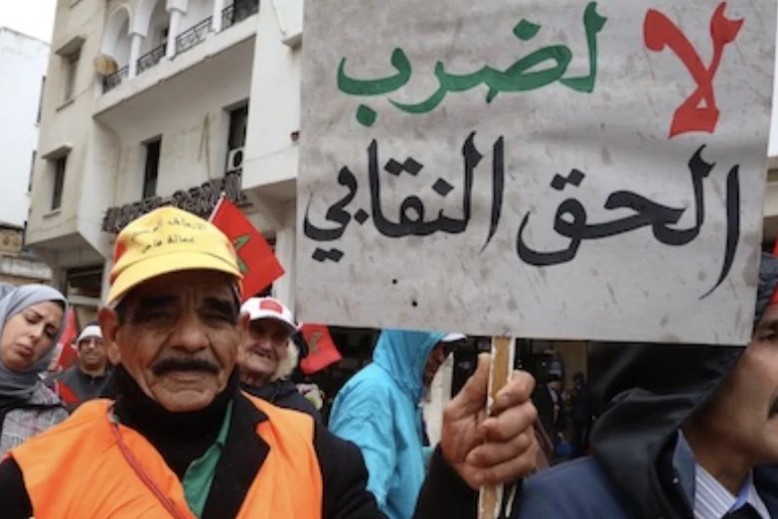
“We are implicitly accused of threatening education and healthcare through our actions,” says a trade union representative at UNRWA in Lebanon. “But those who truly threaten these services are the ones who cut or condition funding, then hide behind technical language.” This accusation reflects a deliberate inversion of reality: strikes and protests emerge only when all channels of dialogue have been closed, and when silence itself becomes a form of complicity in the erosion of rights.
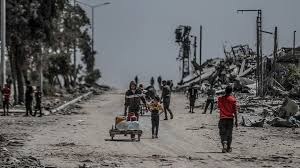
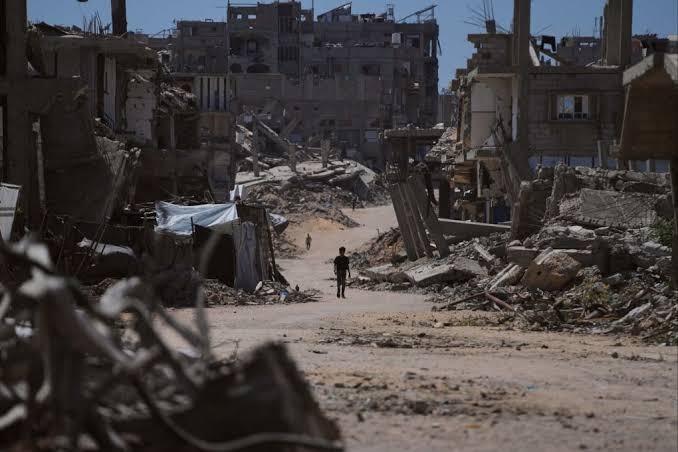
In Gaza, where UNRWA workers operate under conditions of war and genocidal violence, the contradiction is even more brutal. A teacher working in a school that has been turned into a shelter explains: “We are asked to provide psychological support to children, while we ourselves live with the same anxiety and perhaps the same fear about our own future.” Here, the issue is no longer merely about wages, but about what it means for a UN agency to be run like a peacetime corporation while its workers are expected to perform life-saving roles in the midst of war.
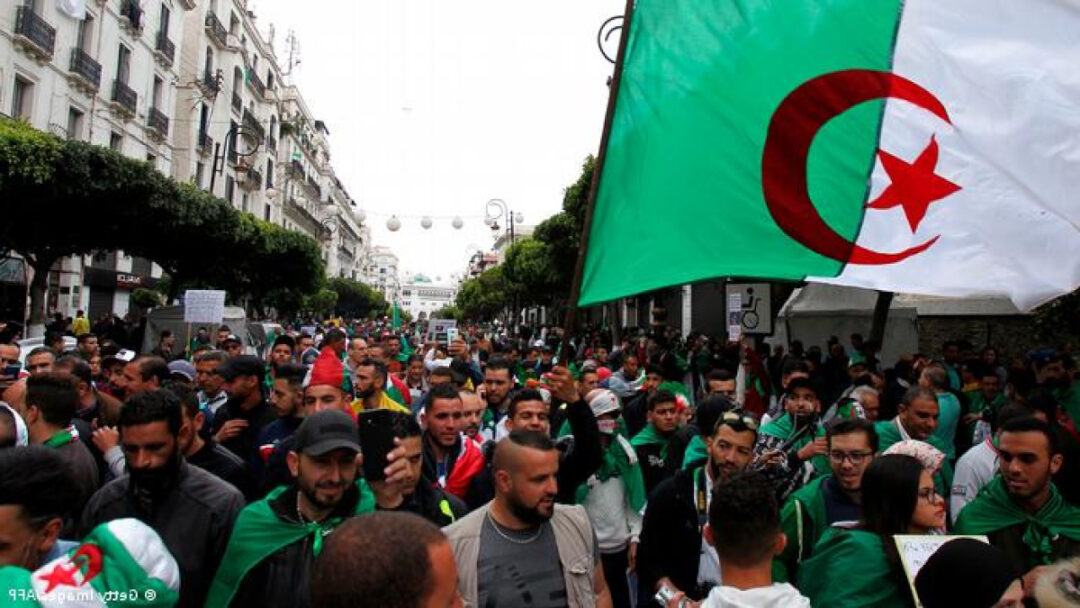
In Lebanon, where the national currency has collapsed and wages have been gutted by inflation, a UNRWA service worker recounts: “My salary no longer covers the cost of getting to work, yet we are told that any escalation will harm the refugees.” According to observers, this discourse is used as a moral tool to suppress any form of union resistance, as if workers are required to sacrifice without limits because the alternative is worse. What is left unsaid is that this trajectory is pushing workers themselves toward forced exit from their jobs, threatening the continuity of services in the medium and long term.
At the heart of this crisis lies an unavoidable investigative question: where does responsibility lie for donor states? UNRWA is not a private organization; it is a United Nations agency established by an international decision to carry a clear political responsibility. When powerful states choose to reduce, suspend, or politicize their funding, they are not punishing a bureaucratic administration they are striking at an entire system of social protection. Yet accountability is rarely directed at these actors, while workers are left on the frontline as an easily pressured last line of defense.
“We are paying the price for decisions we had no part in making,” says a teacher in a refugee camp in Lebanon. “We were never asked why this or that state withdrew its funding, or why the crisis is being managed this way. All we know is that our salaries have been cut, and we are told to be patient.” That patience, stretched over time, is now turning into organized anger not because it is a preferred choice, but because there is nothing left to lose.
What makes this trajectory particularly dangerous is not only its impact on workers, but its broader consequences. For decades, UNRWA has functioned as a pillar of relative stability within refugee camps. Weakening it today, by exhausting its workforce, opens a perilous social vacuum in environments already living on the edge. Social peace is not dismantled overnight, but through the accumulation of short-sighted policies that breed frustration and despair.
From a trade union and investigative perspective, the current crisis appears as part of a wider pattern: the normalization of managing humanitarian crises through austerity, rather than confronting their political root causes. Defending UNRWA workers, therefore, is not only about professional rights; it is about holding accountable an international system that allows social protection institutions to be hollowed out, then blames workers for the consequences.
In Gaza and Lebanon alike, testimonies converge around one fundamental truth: services cannot continue without workers who enjoy security and dignity. Any attempt to separate workers’ rights from refugees’ rights is nothing more than a comforting illusion for donors and a devastating one on the ground. What is unfolding today is not merely a financial crisis, but an early warning that social justice, when postponed in the name of emergency, inevitably returns in the form of deeper and more dangerous crises.
 English
  Arabic